
A practical breakdown of All Will Fall’s economy system, including MVP production setups, efficiency comparisons, and industrialization strategies.
TLDR
Citizen priority: Sailor > Engineer > Worker
Two viable paths: Basic (no energy) and Advanced (with energy)
- Basic⠀⠀⠀⠀= 2 workers ⠀⠀⠀⠀⠀⠀⠀⠀⠀⠀+⠀5 sailors⠀→⠀ 6 water⠀+⠀20 food
- Advanced = 3 workers + 4 engineers + 32 sailors → 32 water + 100 food
- Numbers are based on a standard 4-hour production cycle. Optimize housing, storage, and building paths to consistently reach ~3 cycles per day.
Basic Assumptions
Basic Info:
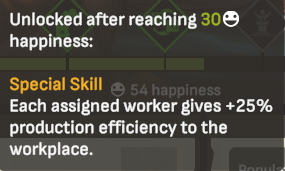
- Worker: Each increases production speed by 25%.
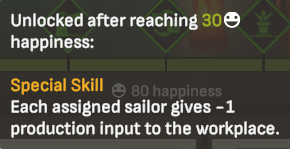
- Sailor: Each reduces required input by 1 for every resource type.
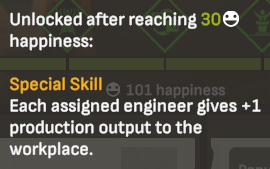
- Engineer: Each increases production output by 1 for every resource type.
- Sailors and Engineers are most effective when assigned to buildings with low input/output resource counts.
- Most production processes have higher output than input. Therefore, in terms of overall impact, citizen priority is: Sailor > Engineer > Worker
- – – Resource count <4 is ideal; resource count >6 is generally inefficient (citizens consume food and water).
- Work Hours: A standard production cycle is 4 hours. Each day provides 15 working hours (6:00–23:00). With optimized road networks, achieving 3 production shifts per day is possible.
Note:
- Always prioritize Sailors over Workers, including in warehouses. (Workers increase carry capacity from 4 to 6, but Sailors move 50% faster). Worker only useful large output with large or no input case.
- Most significant production bonuses unlock at 30 happiness:
Key Resources & Industrialization Paths
I summarized 2 Industrialization Paths in this game: Basic & Advanced (determined by energy usage).
Below are the Minimum Viable Production (MVP) units for each mechanism. All outputs are based on a 4-hour production cycle with optimal citizen assignment (see Assumptions section).
Neither approach is strictly better—they are both useful and close in efficiency
- Wood Catcher: ⠀⠀⠀⠀⠀⠀⠀⠀⠀⠀⠀⠀⠀⠀⠀⠀ ⠀⠀→⠀8 wood ⠀⠀⠀⠀⠀⠀⠀⠀⠀⠀ (with 1 worker)
- Wood Boiler: ⠀⠀⠀⠀⠀⠀⠀⠀⠀⠀⠀⠀⠀⠀4 wood → 10 water⠀⠀⠀⠀⠀⠀⠀⠀⠀⠀ (with 1 worker + 1 sailor)
- 2× Mushroom Farm:⠀⠀4 wood + 4 water → 20 food⠀⠀⠀⠀⠀⠀⠀⠀⠀⠀⠀(each with 2 sailors)
This results
in every 4 hours.
Buildings location: Production tier 1, Water tier 1, Foods tier 2. Tier upgrade required: 1
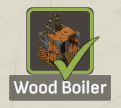
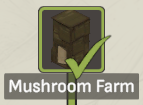
- 3× Electric Junk Catcher: ⠀⠀⠀⠀ 3 energy → 24 junk⠀⠀⠀⠀⠀⠀⠀⠀⠀⠀⠀⠀(each with 2 sailors)
- 2× Junk Boiler:⠀⠀⠀⠀⠀⠀⠀⠀⠀⠀⠀⠀⠀24 junk → 12 water + 16 fuel ⠀⠀⠀⠀(each with 2 engineers) (max at 3)
- Fuel to Energy:⠀⠀⠀⠀⠀⠀⠀⠀⠀⠀⠀⠀⠀⠀ 7 fuel → 21 energy ⠀⠀⠀⠀⠀⠀⠀⠀⠀(with 3 workers)
- 3× Fuel to Water:⠀ ⠀⠀⠀⠀⠀⠀⠀⠀⠀⠀⠀ 9 fuel → 60 water⠀⠀⠀⠀⠀⠀⠀ ⠀⠀⠀(each with 2 sailors)
- 10× Electric Greenhouse:⠀40 water + 20 energy → 100 food⠀⠀⠀⠀⠀(each with 2 sailors)
This results
in every 4 hours.
Buildings location: Production tier 2, Energy tier 4, Energy tier 5, Water tier 3, Food tier 3. Tier upgrade required: 12
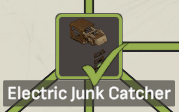
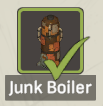
Surprisingly, despite all the efforts required to accumulate resources and build advanced production structures, the overall output is nearly the same. (7 citizen / 6 water + 20 food compares to 39 citizen / 32 water + 100 food)
This means neither method is clearly superior—they are both viable with similar efficiency. The advantage of advanced production is flexibility, allowing you to scale down food and water output and instead use fuel and energy for fancy construction materials like steel, sand, and tools.